
Table of Contents
Why is the Ringlock Scaffolding System Widely Used in the Modern Construction Industry?
The Ringlock scaffolding system is typically manufactured using high-strength Q345 steel. It achieves exceptional dimensional precision and minimal tolerances, meeting various system standards such as EN, ANSI, and AS/NZS, thereby ensuring the smooth erection of a robust and stable scaffolding structure.
The Ringlock system‘s unique design—featuring circular rosettes and wedge pins—enables simple and rapid assembly. It requires no complex professional training or specialized tools; components can be securely locked into place using only simple hammer strikes. Thanks to this simple and standardized assembly method, project engineers can easily verify that the scaffolding system has been erected in strict accordance with the technical drawings, ensuring that every component is correctly positioned and securely fastened.
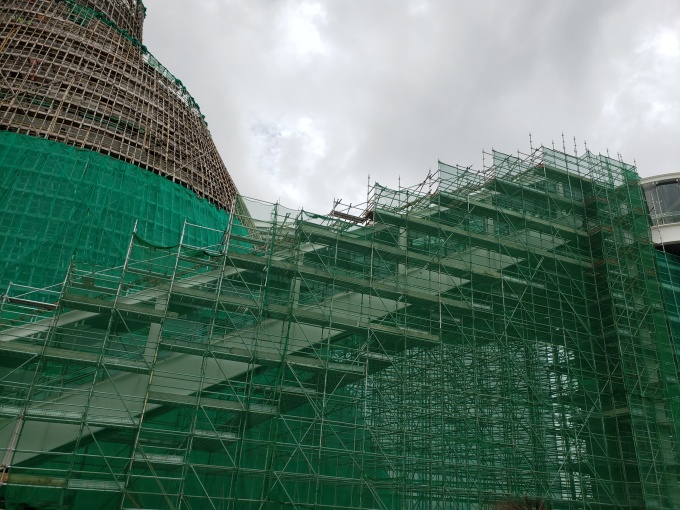
Applications of Ringlock Scaffolding
The Ringlock scaffolding is meticulously designed to meet a wide range of requirements for work at heights and temporary structural support. Its straightforward assembly process and robust structural integrity make it suitable for application across a broad spectrum of industries.
The Ringlock scaffolding system is primarily categorized into three series:
48.3 × 2.5 Light Duty:
Suitable for building facade scaffolding and construction access platforms. It provides safe and stable working access, even on building facades with irregular geometric shapes.
48.3 × 3.2 Standard Duty:
Suitable for supporting audio equipment, lighting systems, and decorative stage facade elements. It is the ideal choice for erecting stage truss structures designed to bear the loads of concert equipment.
60.3 × 3.2 Heavy Duty:
Suitable for formwork support (shoring), bridge construction, large-span support structures, and heavy-load civil engineering projects. It provides the immense load-bearing capacity required for large-span civil engineering undertakings.
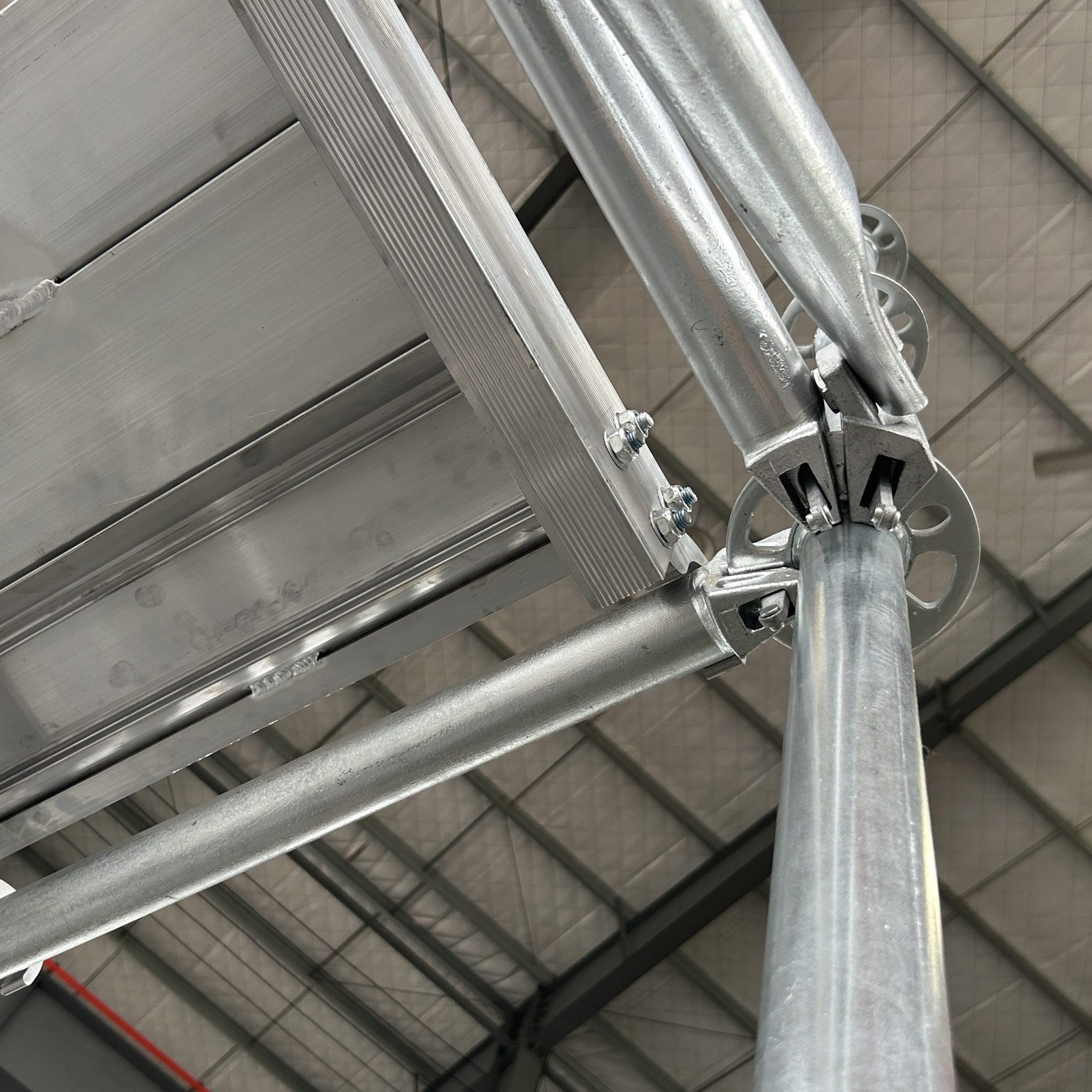
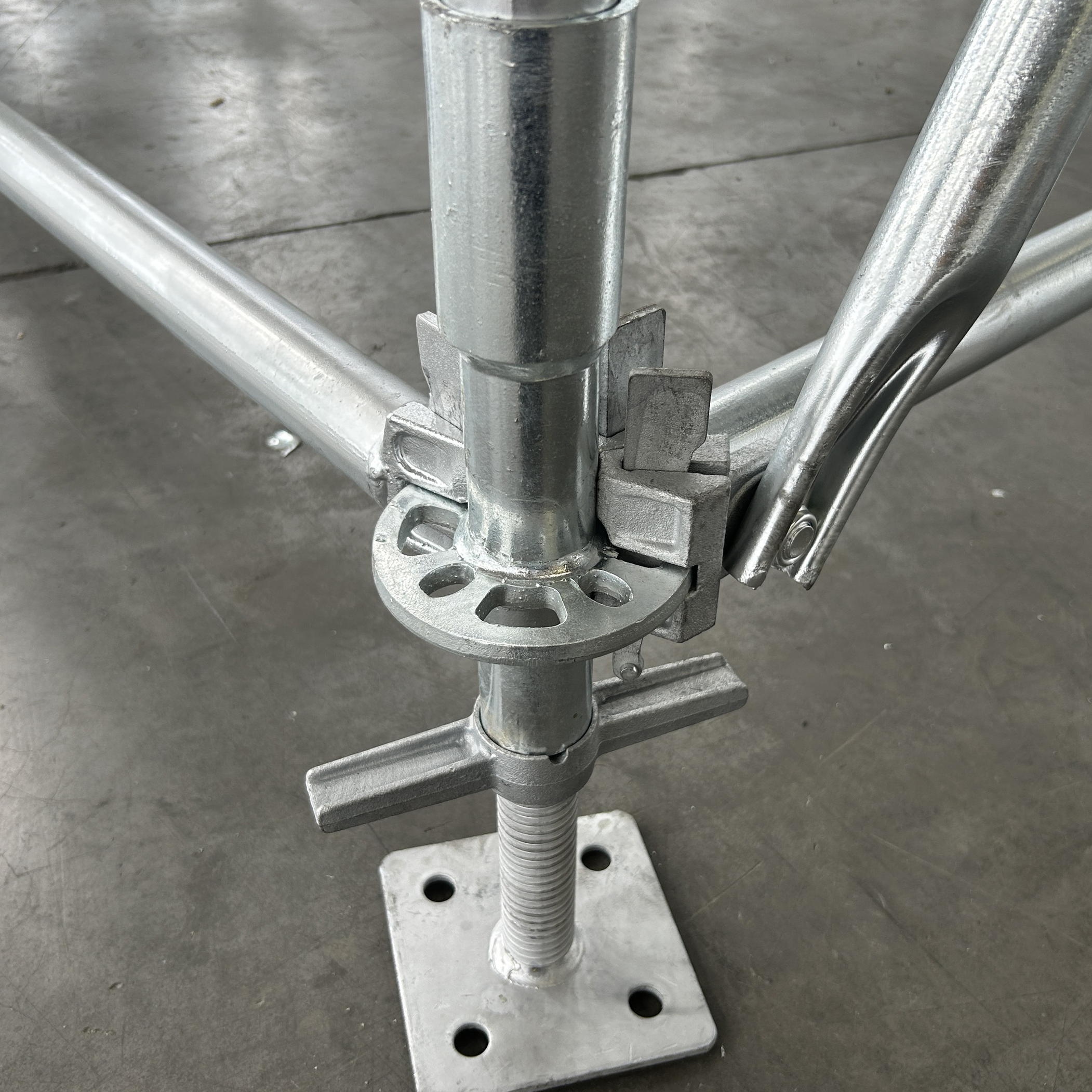
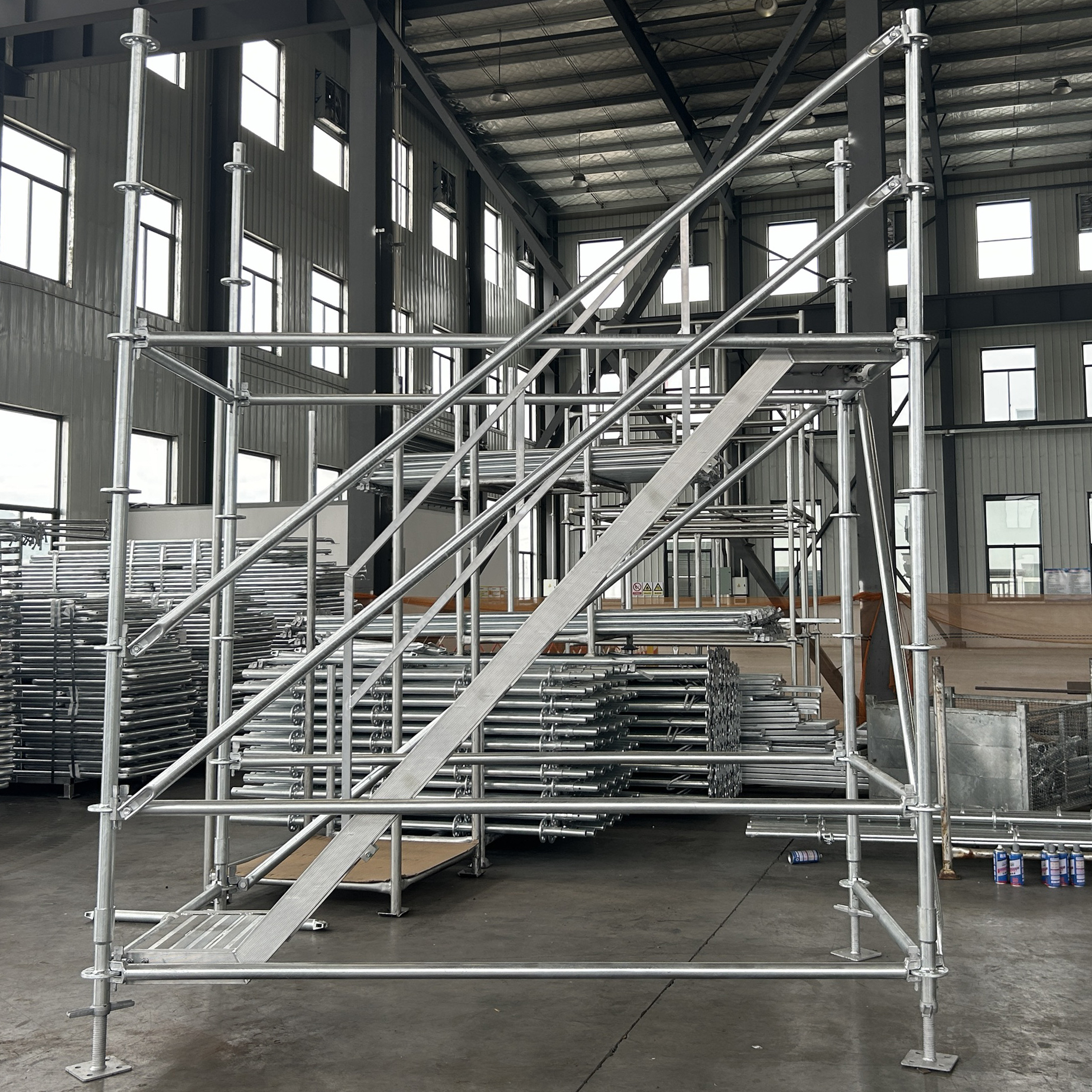
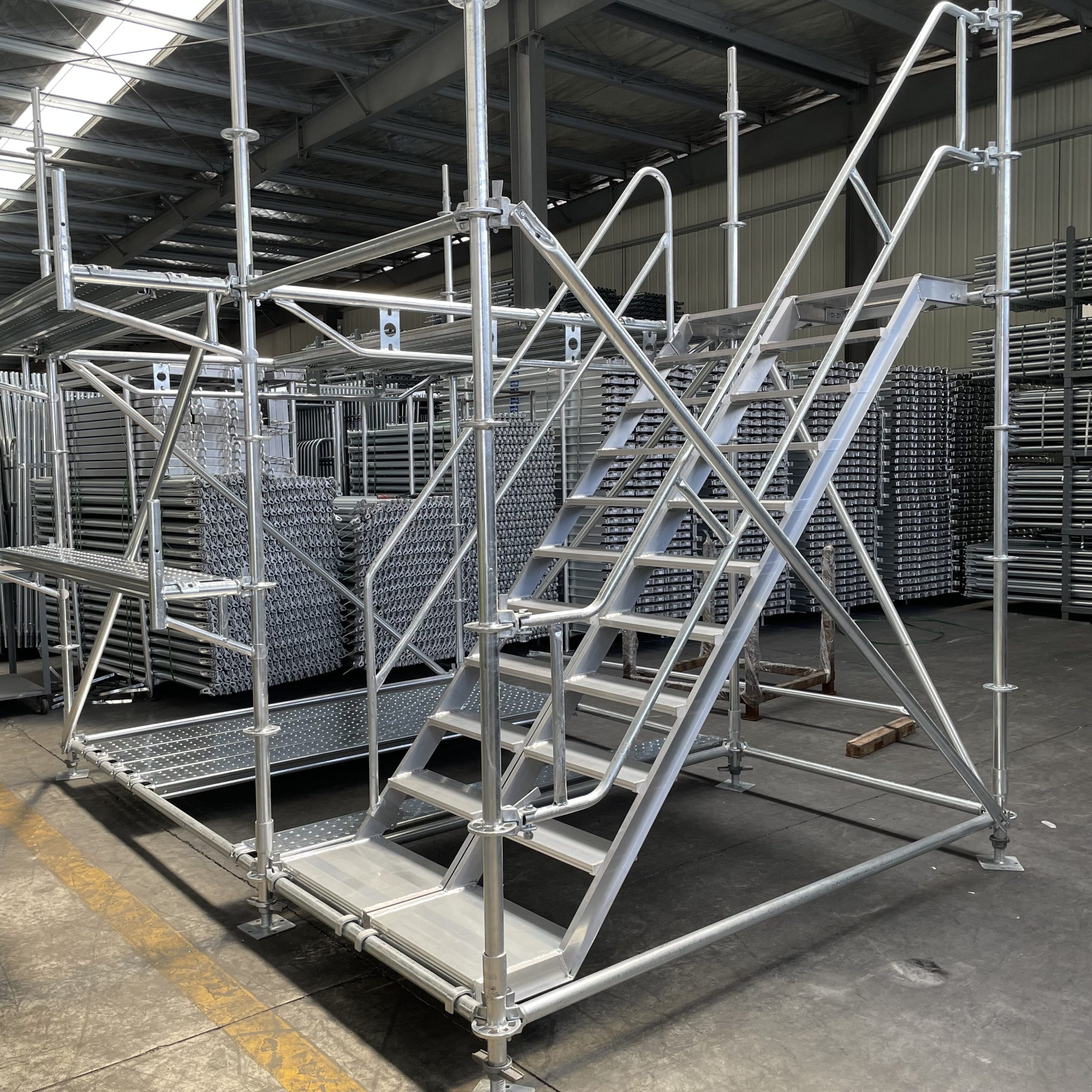
Ringlock Scaffolding Erection Manual
1.Inspect Ground Conditions
Assess the stability of the ground to ensure that the scaffolding is erected on a firm and level surface. In cases where the ground is soft (e.g., loose soil), larger base plates must be utilized to distribute the load and provide adequate stability.
2.Base Installation
Place the adjustable bases in their corresponding positions in accordance with the technical drawings.
3.Component Assembly
Mount the vertical standards onto the adjustable bases, then secure the horizontal ledgers and beams to the standards. Adjust the height of the bases to ensure the ringlock system is level and balanced.
4.Platform Installation
Install components such as treads and stairways onto the horizontal ledgers to construct a stable working platform. Install toe boards and handrails around the perimeter of the platform to prevent tools or materials from falling.
5.Upward Extension
Add additional vertical standards and U-shaped beams as required to continue extending the structure upward. Utilize diagonal braces to reinforce the structure and prevent lateral movement.
6.Final Inspection
Conduct a final inspection to ensure that all components have been correctly assembled and securely fastened. Verify that the scaffolding structure is plumb, level, and stable.
Summary
EK Sca is backed by a professional team of sales representatives and engineers. Should you require any assistance, please do not hesitate to contact us; we will thoroughly assess your project requirements and provide you with expert construction solutions.